What is cycle counting
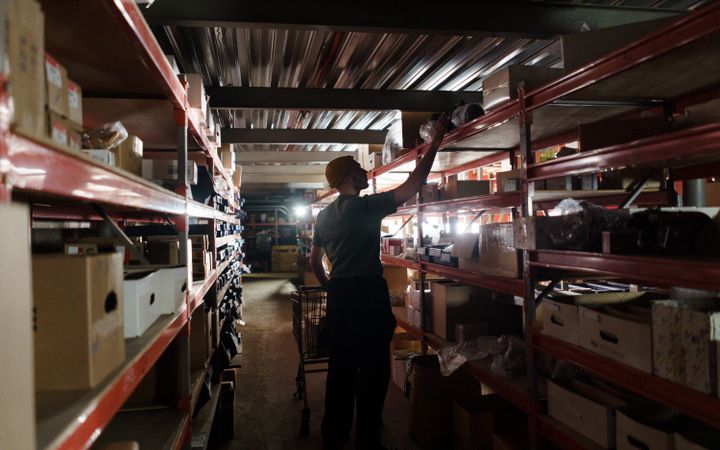
Cycle counting is an inventory method in which the warehouse is counted in small parts throughout the year instead of all at once. Each day or week a different zone or group of items is checked, so that over the year every part is counted several times.
How it works
The warehouse is divided into zones or product groups. A schedule decides which part is counted on which day. Counters check the selected items against the system, investigate differences immediately and correct the records. Normal work continues everywhere else.
Why companies use it
- No full shutdown: operations keep running during the count.
- Faster detection: errors are found within days or weeks, while the cause is still easy to trace.
- Better accuracy: the records are corrected all year, so they stay close to reality.
- Smaller, calmer teams: a few people can do it as part of their normal work.
Choosing what to count and how often
Not every item needs the same attention. A common approach is to rank items by value or movement. The most important items are counted often, for example every month. Medium items are counted a few times a year, and low-value slow items once or twice.
Items that have shown differences before, or that are easy to take, can be added to a higher frequency whatever their value.
What you need to start
- A reliable list of items and locations.
- A schedule that is realistic for your team.
- A clear rule for what difference triggers a recount or an investigation.
- A person responsible for the results.
Common problems
Cycle counting fails when it is treated as a task for spare time. The schedule slips, counts are skipped, and differences are noted but not investigated. Treat the daily count as a protected task with a named owner, and review the results every month.
A sample schedule
A warehouse with 20 zones and 20 working days a month can count one zone a day. Fast, valuable zones are counted twice, quieter zones once. At the end of the month every zone has been checked at least once, and the most important ones twice, with no day of stoppage.
Handling differences during the cycle
When a difference is found, count the item again, check recent documents for that item and its neighbours, and correct the record only after the cause is understood. Keep a short note so patterns appear across cycles.
Done well, cycle counting can reduce or replace the large annual count, because the records are already verified throughout the year.